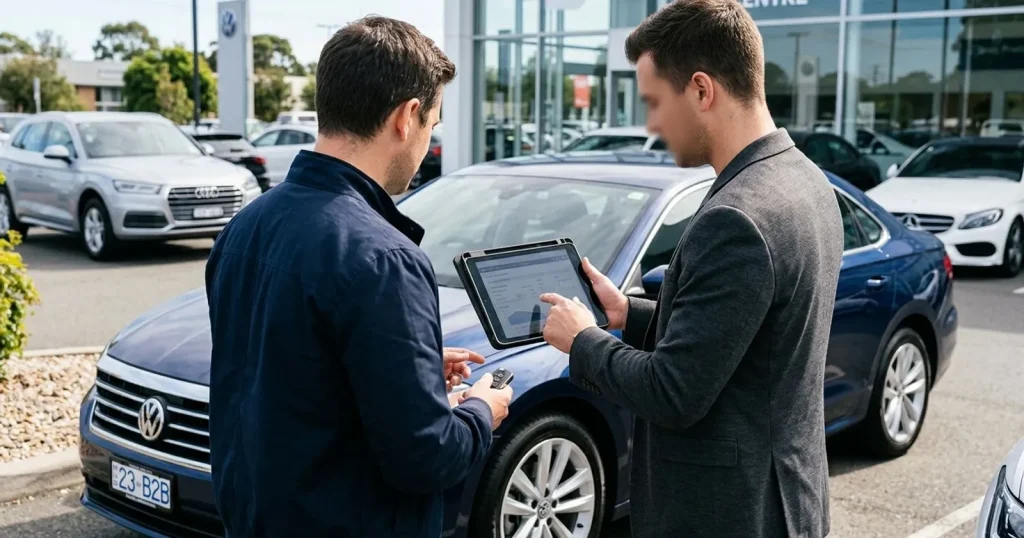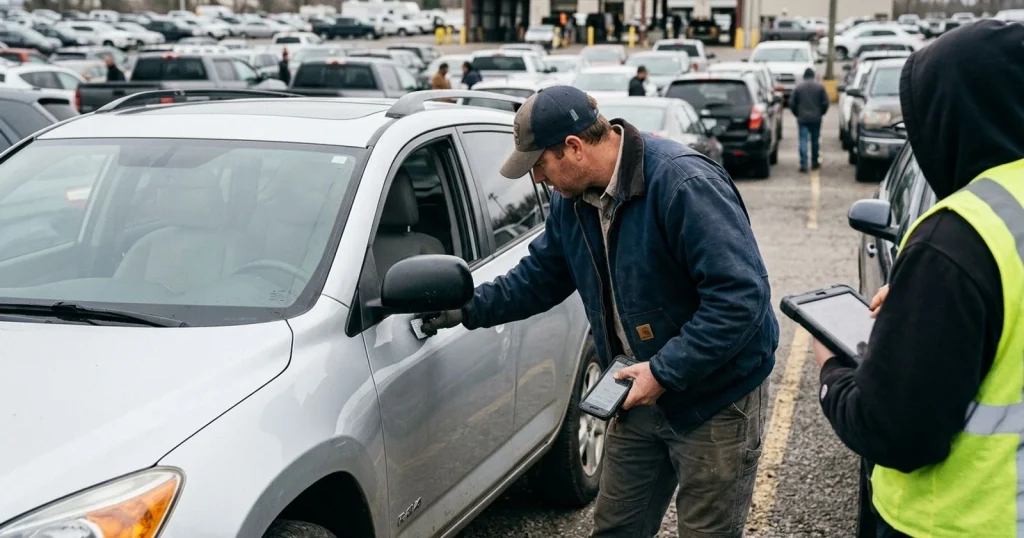
Three offers before lunch. That's what a private-party seller collects before most dealership BDC reps even see the lead. The store that answers first usually wins the car, not the store with the better script.
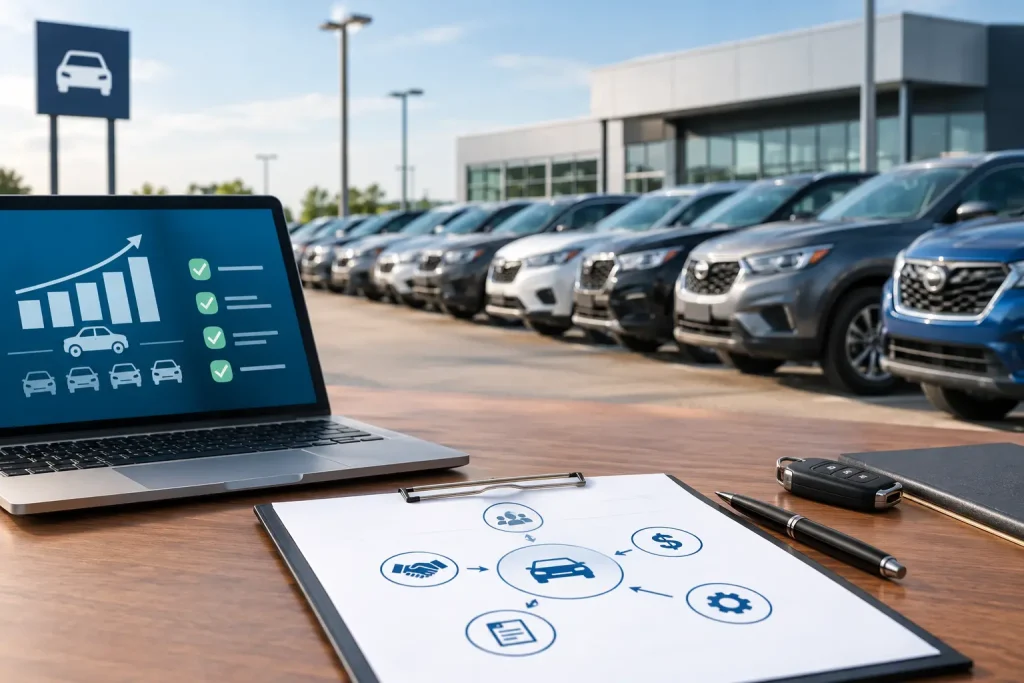
Here's the answer up front: dealership BDC vs AI vehicle acquisition isn't really a versus question. A BDC and an AI intake system solve different problems in the seller journey. The dealers winning the most private-party inventory right now run both, with a clear handoff line between them.
Why This Isn’t Really a Versus Question
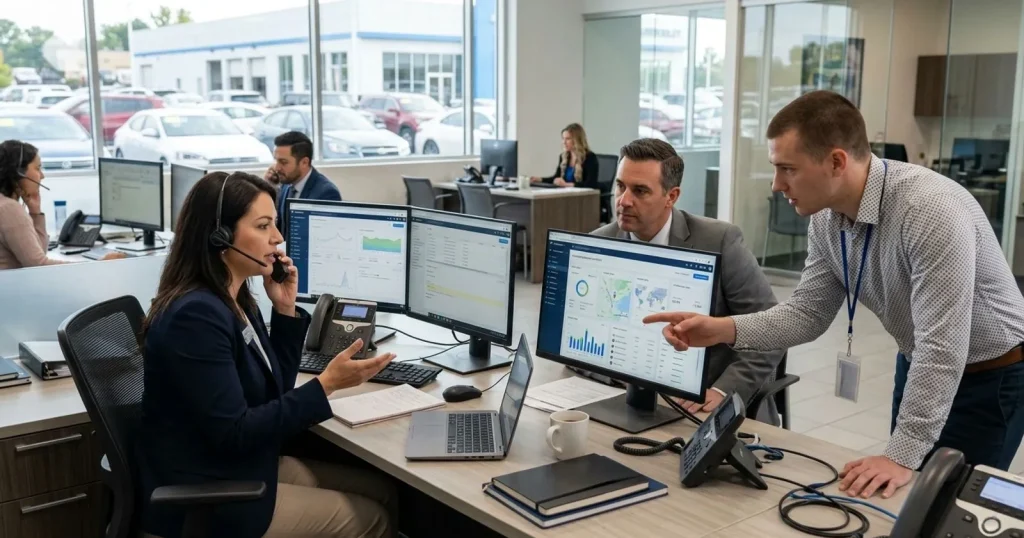
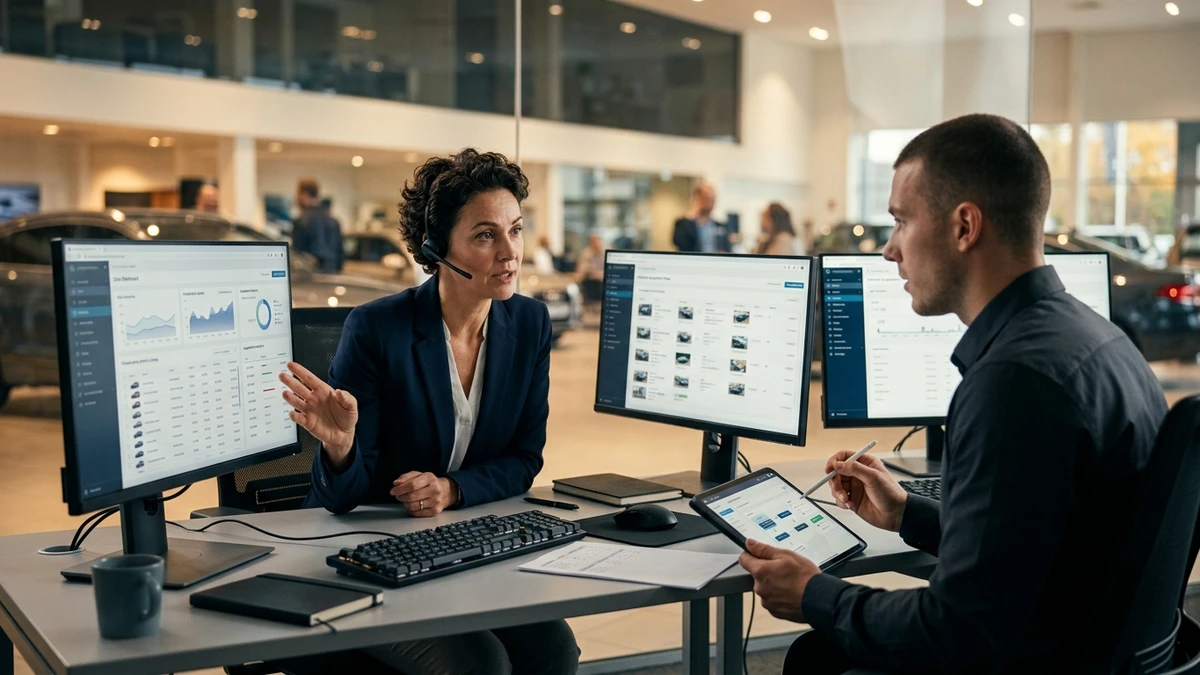
A dealership BDC handles inbound calls, sets appointments, and runs follow-up cadences on leads that already exist. It's a human function built for relationship management and objection handling. AI intake systems do something different. They respond instantly, qualify a seller's vehicle in seconds, and generate a valuation before a human ever picks up the phone.
Most stores don't lose sellers because they picked the wrong tool. They lose sellers because neither system covers the whole journey from first contact to signed appraisal. The BDC rep is great at building trust once someone's on the phone. The AI system is great at making sure someone answers before the seller calls the next dealer on their list.
Where each one actually wins:
- BDC reps close trust and handle emotional objections about vehicle value
- AI wins the speed race, since private-party sellers expect a response in minutes, not hours
- BDC struggles with 24/7 coverage; AI never sleeps
- AI struggles with negotiation nuance on high-value or high-emotion deals
The framework that matters here has three parts: acquisition speed, cost per hire, and escalation quality. Every section below tests a piece of that framework against what's actually happening in direct vehicle acquisition strategies today.
Where Traditional BDC Desks Lose Sellers
Private-party sellers rarely wait around. They're texting three dealers at once, and the first real offer usually wins the car. A BDC desk built around business hours and call queues wasn't designed for that kind of competition.

The Staffing Problem Nobody Budgets For
BDC teams face turnover, training ramp time, and coverage gaps on nights and weekends. That happens to be exactly when private sellers are browsing and texting. A rep who just finished training doesn't value a trade-in the way a seasoned appraiser does. That gap shows up as lost deals, not as a line item anyone tracks.
There's a deeper mismatch too. BDC reps train on buyer scripts: how to get someone into a showroom, how to overcome price objections on a car the dealer already owns. Seller conversations run the opposite direction.
A seller wants to know their car's worth, not why they should visit a lot. Fumbling that equity conversation, or stumbling on a payoff question, sends sellers straight to the next offer in their group text.
Track the gap between when a paid lead comes in and when a human actually responds, broken out by hour of day. Most dealers find their worst response windows are the exact hours private sellers are most active. Every missed call or slow text on a paid lead is money already spent with nothing to show for it. That's the hidden cost most vehicle acquisition kpis reports skip entirely.
What AI Vehicle Acquisition Gets Right and Wrong
AI intake systems built on tools like the AccuTrade API pull real-time market data to generate an actual cash offer, not a generic "fill out this form and we'll call you" page.
According to AutoAcquire's guide to AI BDC and voice agents, this class of tool is built specifically to text and call vehicle owners at a scale no human team could sustain, sourcing inventory the dealer doesn't already have on the lot.
The mechanics matter here. SMS and voice agents ask about mileage, condition, and loan payoff before a human ever joins the conversation. By the time a person gets involved, the qualifying work is done.
Digital Dealer's coverage of automotive AI agent platforms notes these systems now handle work that used to require a salesperson, service advisor, or BDC rep, running across phone, SMS, email, and chat at once. Our own ai lead intake playbook breaks down how that qualifying sequence actually runs.
Where pure AI setups fall short:
- High-value vehicles need a human who can read hesitation and adjust an offer
- Emotional sellers, especially those parting with a long-owned car, want a real conversation
- Negotiation nuance on payoff gaps or condition disputes still needs judgment
- Escalation gaps like these rarely make it into a vendor's own marketing, since they complicate the "fully automated" pitch
The practitioner rule is simple: if the vehicle's estimated value or the seller's tone signals hesitation, route it to a human immediately. AI should qualify fast. It shouldn't be the one closing a five-figure private-party deal alone.
Building the Hybrid Model That Wins
The dealers pulling ahead aren't choosing AI over BDC or the reverse. They're building a three-tier structure that assigns each layer to the stage it's actually good at. Think of it the way a service drive splits triage from diagnosis: the advisor who greets the customer isn't the technician who pulls the fault codes, and neither one tries to do the other's job.
- AI handles first response and qualification. Instant reply, instant valuation, no waiting.
- First-party lead funnels capture the seller before they shop elsewhere. The seller never has to leave the dealer's own system to get an answer.
- Humans close high-intent or high-value deals. Once AI flags the lead as ready, a person steps in to finish it.
This is exactly the structure behind our Private Party Vehicle Acquisition model. It's not built to replace a BDC desk wholesale, and it's not built to run on AI alone either. It's designed around the handoff point, so speed and trust both get covered instead of traded off against each other.
We built our entire model around this specific gap. Vehicquire is the only agency built 100% for private-party vehicle acquisition using custom AccuTrade API technology and first-party funnels, which means the valuation, the outreach, and the escalation path are designed together instead of stitched from separate vendors. You can see the full setup through our First-Party Lead Funnels for Vehicle Acquisition page.
Before deciding what to automate versus staff, run a 30-day audit. Track response time and close rate by lead source, broken out by hour of day. The pattern that shows up almost always points to the same conclusion in the ongoing dealership BDC vs AI vehicle acquisition debate: speed wins the early contact, and a person needs to close the deal once trust is on the table.
A hybrid handoff only works if someone owns the line between AI and human. Assign that ownership before you launch, not after the first missed escalation.
Dealers ready to see where their own handoff line should sit can Book a Discovery Call.
Frequently Asked Questions
Should a dealership replace its BDC with AI vehicle acquisition tools?
No. AI handles speed-to-first-response and qualification well, but high-value or emotional sellers still need a human for negotiation and trust-building. The stores getting the best results run AI for first contact and hand off qualified leads to a person.
How fast do private-party sellers expect a response from a dealer?
Research on AI BDC adoption shows sellers typically contact multiple dealers at once, so any delay past a few minutes risks losing the deal to a faster responder. Instant-response AI systems exist specifically to close that gap before a human team can react.
What is the difference between a BDC and an AI intake system?
A BDC is a human team handling calls, appointments, and follow-up. An AI intake system is software that responds instantly, qualifies vehicle details like mileage and payoff, and generates a valuation before a human joins the conversation.
When should a lead get escalated from AI to a human at a dealership?
Escalate when the vehicle's estimated value is high, or when the seller's responses signal hesitation or emotional attachment. Pure AI setups without this escalation path tend to lose exactly these higher-value deals.
Can private-party acquisition really reduce a dealer’s reliance on auctions?
Yes. Sourcing directly from individual sellers bypasses auction fees, transport costs, and wholesale markup that come with auction inventory. This is a major reason acquisition-native AI platforms and first-party funnels have gained traction among dealers looking to control both supply and margin.